A fire alarm system going down can leave you unsure of what to do next. You depend on that control panel to detect smoke and heat day and night, so when it suddenly stops working, the situation becomes risky fast. When the system fails, you lose your main layer of protection. It puts people in danger and exposes the building to fines from the Fire Marshal.
This kind of problem also brings confusion. Many building managers are not fully clear on the legal rules that activate during an outage, including when a fire watch becomes mandatory, or who they should call first. You need a clear plan that helps you keep the site safe while you wait for a technician.
In this guide, we walk through what to do when your fire alarm system is down, explain why fast action is imperative, and show you how to stay compliant until the system is restored. Before we go into the response plan, let’s look at the issues that tend to cause a fire alarm system to fail.
Common Fire Alarm System Issues

Fire alarm systems fail for many reasons. Here are some of the most common:
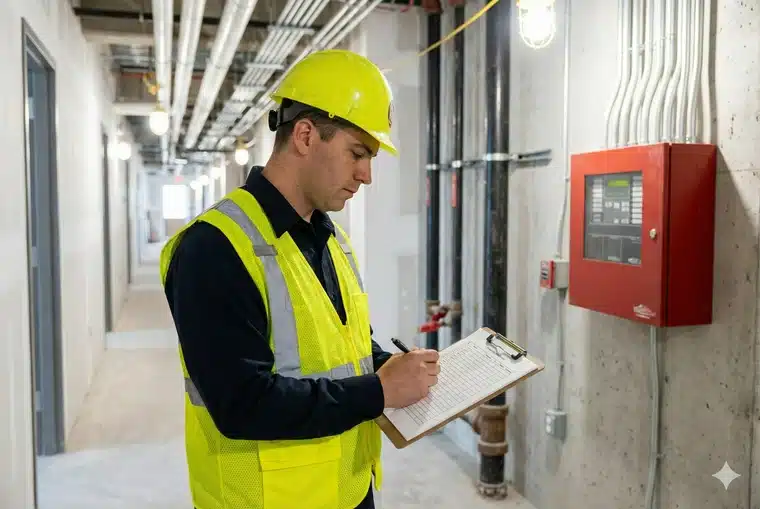
⚠️Power Supply Failures: Your panel relies on steady electricity. A tripped breaker often cuts the main source, so the system switches to backup batteries. However, if those batteries have expired, the panel shuts off completely.
⚠️Dust and Debris: Smoke detectors are sensitive to more than just fire. Construction dust, dirt, and insects often clog the internal sensors. This blockage confuses the device and triggers a false trouble signal on your panel.
⚠️Loose Cables and Water Damage: Wires are vulnerable to physical damage, while water leaks cause rust on the metal contacts. Rodents also chew through the cables. These types of issues can create a broken loop that blocks signals between the panel and the devices.
⚠️Expired Devices: Electronics do not last forever, and devices like smoke detectors degrade over time. Eventually, these old components fail and send constant error alerts to the main board.
⚠️Sprinkler Flow Switches: Your fire alarm often connects to the sprinkler pipes. A flow switch monitors water movement. If this switch malfunctions, it triggers a “Supervisory” signal and locks the panel.
⚠️Internal Board Failure: The main control board acts as the brain of the system. Power surges tend to fry the internal chips, while software glitches freeze the controls. Sometimes, a full memory log simply forces a total shutdown.
⚠️Recent Service Errors: Technicians sometimes make mistakes. A service person might forget to reconnect a wire or close a device properly. This leaves the system in an open state.
⚠️Communication Line Failure: Your panel relies on a phone line, internet link, or radio to contact the monitoring center. Unfortunately, storms often knock these lines out, and if that connection fails, the fire department receives no alerts during a fire.
Why Your Fire Alarm System Going Down Is a High-Risk Issue

A fire alarm system outage creates several high-risk problems, and they build up quickly. Here is what you face the moment the panel stops working:
⚠️ Loss of early detection: The system cannot pick up smoke or heat, which means a small fire can grow before anyone sees it.
⚠️Higher danger for people inside: Occupants have no warning signal, so evacuation can be delayed during an emergency.
⚠️Strict fire code duties: US fire codes require full protection at all times. When the system is down, a fire watch becomes mandatory until repairs are complete.
⚠️Possible fines from the Fire Marshal: If the site is left unprotected, inspectors can issue violations, penalties, or even stop-work orders.
⚠️Insurance risks: Many insurers will not cover fire damage if the building lacked active protection during an outage and no fire watch was in place.
⚠️Extra liability for owners and managers: If a fire starts during the outage and no fire watch was assigned, the building operator can be held responsible for injuries or loss.
What to Do When Your Fire Alarm System Is Not Working

When your fire alarm system goes down, you need to act right away. Doing this can help you keep people safe, stay compliant, and reduce liability while you wait for a technician.
Notify the people inside the building
Tell staff, tenants, or visitors that the fire alarm system is offline. Place clear notices at entrances, elevators, and common areas. Make sure everyone understands that they must stay alert for smoke or unusual smells until the system comes back online.
Call your alarm service provider
Contact the company that maintains your panel. They can confirm if the problem is linked to power, devices, wiring, or a panel fault. Quick reporting helps the technician arrive with the right parts and fix the outage faster.
Bring in a certified fire watch
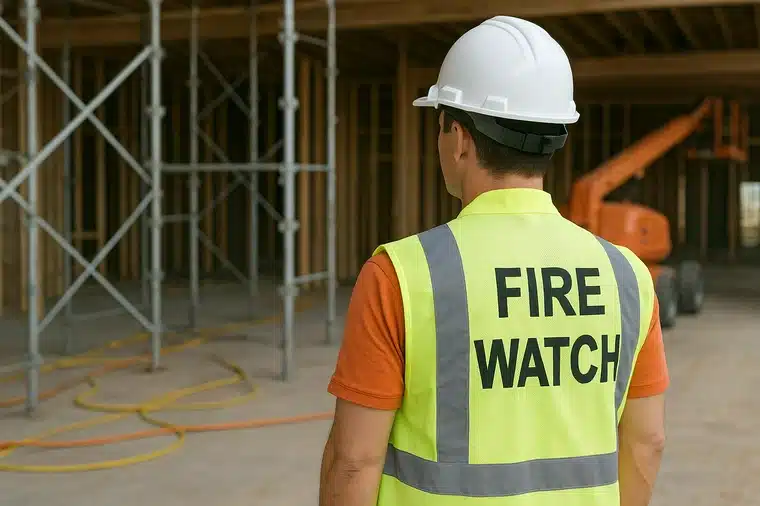
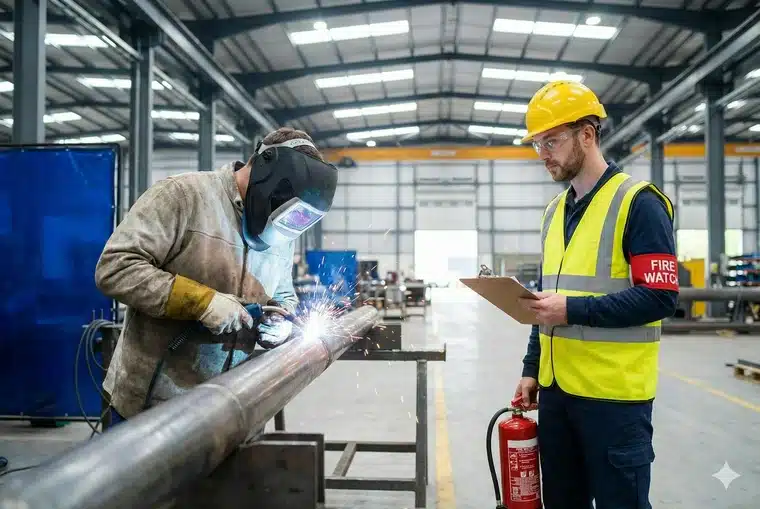
Fire codes require a fire watch when your alarm system is not working. Trained guards walk the site, watch for hazards, and keep detailed logs. This protects the building and helps you stay compliant with local regulations.
Record the outage
Write down when the system went down and what actions you took. Keep notes, email confirmations, or time-stamped logs. This record helps if the Fire Marshal or insurance company asks for proof of your response.
Confirm full restoration
After the technician repairs the system, ask them to confirm that the panel is back in full service. Make sure all devices clear their trouble signals and that the building returns to normal protection.
What a Fire Watch Team Does During a Fire Alarm System Outage

A fire watch becomes your backup safety measure when the fire alarm system is offline. Trained guards remain on-site and monitor for any signs of danger until the system is repaired. Here is what they handle during an outage:
✔️Patrol the building: Guards walk assigned routes to look for smoke, heat, sparks, or anything that can start a fire.
✔️Monitor high-risk areas: They check kitchens, mechanical rooms, storage zones, and construction areas more often.
✔️Keep detailed logs: Every patrol is recorded with time stamps. These logs help during inspections or insurance reviews.
✔️Report hazards right away: If the guard sees something unsafe, they alert the building manager and call emergency services if needed.
✔️Support the Fire Marshal’s rules: They help you stay compliant with local fire codes until the system is restored.
✔️Stay on-site the entire time: Fire watch coverage remains active until the technician brings the alarm system back to full operation.
What Happens if You Skip Fire Watch During a Fire Alarm System Failure

Skipping fire watch during a fire alarm system outage creates serious problems for any building. Here is what you face if the site is left unprotected:
❌ Higher danger for everyone inside: There is no early signal to warn people. A small flame can grow fast before anyone notices.
❌Fines and violations: Fire Marshals can issue penalties on the spot if they find a building with no alarm and no fire watch on duty.
❌Forced shutdowns: Some cities require you to clear the building or stop work until fire watch coverage is active.
❌Insurance denial: Most insurers will not cover fire damage if the building was unprotected during an outage. They expect a documented fire watch.
❌Personal liability: Owners and managers can be held responsible for loss or injury if a fire occurs with no fire watch in place.
❌Delayed repairs: Alarm companies work faster when the building is already in compliance. A missing fire watch can slow the restoration process.
How to Reset a Fire Alarm System (Simple Directions)
A reset can help clear trouble signals, but you should only do this if the panel is safe, stable, and you already know the cause of the fault. These directions stay simple and are common for most commercial fire alarm systems.
✔️ Use your panel key or authorized code: Fire alarm panels stay locked for a reason, so access it with your key or code as required.
✔️ Press “Silence” if the panel allows it: Some systems let you silence the alert before you reset it, which keeps the panel quiet while you check the status.
✔️ Select the “Reset” command: Press the reset button to clear alarms and restart the system.
✔️ Check if the trouble light returns: If the panel goes back into trouble mode right away, the issue is still active and needs a technician.
✔️ Avoid repeated resets: Resetting over and over can hide a real problem and slow repairs, so stop if the fault does not clear
✔️ Never reset the system after smoke or fire: If there was a fire source, even a small one, call your alarm company and the Fire Marshal before clearing the panel.
How to Avoid Future Fire Alarm System Outages

You cannot prevent every fault, but you can reduce most breakdowns with a few steady habits. These small actions can help keep your fire alarm system stable and minimize unexpected issues.
✔️ Schedule routine inspections: Regular checks help catch weak batteries, aging devices, and wiring issues before they turn into outages.
✔️ Keep smoke detectors clean: Dust, debris, and construction particles often trigger trouble signals, so make sure detectors stay clear.
✔️ Protect wiring and panels from water leaks: Moisture around the panel or cable runs can shut the system down, so fix leaks fast and shield the area.
✔️ Test backup power often: Weak backup batteries are one of the top causes of system failure, so make sure they hold a strong charge.
✔️ Review recent maintenance work: A device left loose or unplugged after service can trigger trouble mode, so confirm everything is secure.
✔️ Keep emergency contacts on hand: Save the number of your alarm company and your fire watch provider so you can call them without delay.
In Summary
A fire alarm system outage is stressful, but you can stay in control when you know what to do. Clear notices, fast contact with your alarm technician, and proper fire watch coverage keep the building safe while the system is down. Each action you take protects the people in the building and keeps you aligned with local fire rules.
If you need trained fire watch guards who can respond fast and stay on-site until your alarm system is fully restored, Fast Fire Watch Guards is one call away. Their licensed teams handle patrols, logs, and full coverage across the United States, and you can request a quote any time you need quick support.