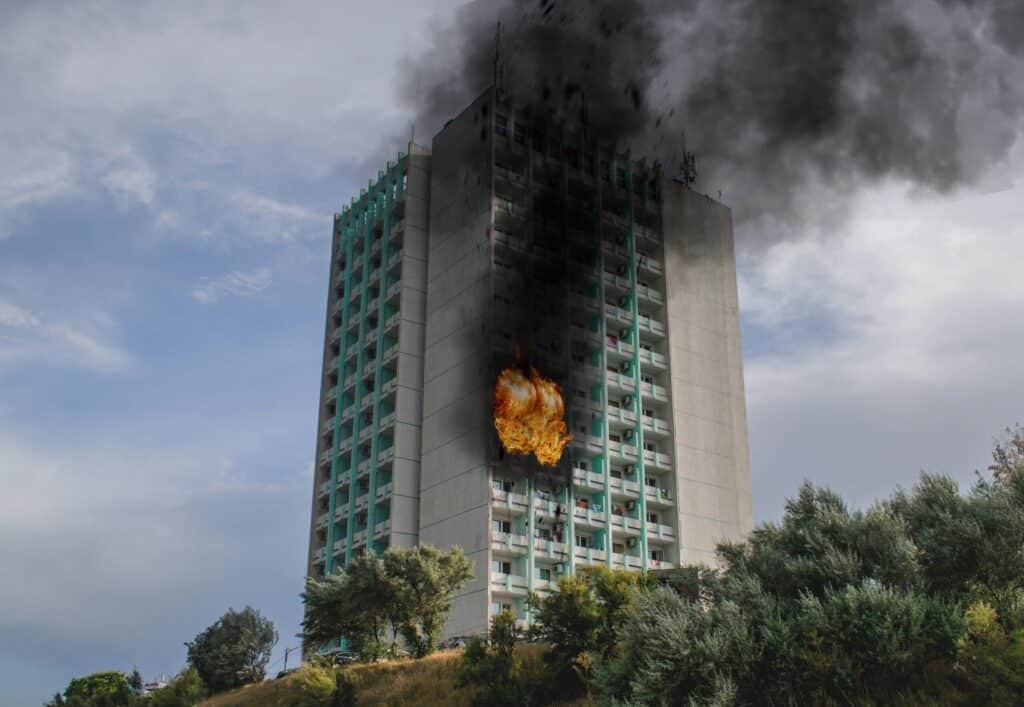
Your sprinkler contractor closes a control valve at 7 a.m. The repair was supposed to take two hours. By noon, the valve is still shut, the building is occupied, and the technician needs another part. The automatic protection that normally controls a fire is unavailable. That gap now has to be managed by people.
This is where the question becomes practical: are fire watch guards considered essential? During an active fire protection impairment, hot work operation, or fire marshal order, the fire watch performs a life-safety duty that cannot wait. The legal label attached to the worker may vary by state, city, emergency order, or contract. The protective function does not. If the hazard continues, required coverage must continue until the authority or responsible official releases it.
A property manager should not rely on a broad national answer. Fire codes are adopted and amended locally. The authority having jurisdiction, often called the AHJ, decides what applies at the property. Your job is to identify the trigger, get the required coverage in place, document it, and keep it active until restoration is accepted.
Essential is a function, not just a job title
The word “essential” caused confusion during emergency shutdowns because government orders used different lists and definitions. One order might name fire protection personnel. Another might refer to public safety, construction support, or workers needed to maintain occupied facilities. A third might leave the decision to the local agency.
Do not let that wording distract from the fire code obligation. A required fire watch is an active substitute for protection that is missing or reduced. The guard watches for smoke, flame, heat, unsafe work, and changes that could delay evacuation. The guard also starts the notification process and records each patrol.
General security is often adjusted around business hours. A required fire watch is tied to the hazard. If an alarm remains impaired overnight, the need does not end when the office closes. If residents are sleeping above the affected area, the risk may be greater after normal hours. If hot work has stopped, concealed material can still smolder during the post-work period.
The safest interpretation is simple. Once the AHJ, adopted code, permit, insurer, or site plan requires a fire watch, treat the assignment as a life-safety post. Do not interrupt it for deliveries, access control, maintenance, or staffing convenience.
The rule starts with local adoption
There is no single nationwide trigger that fits every building. Many jurisdictions adopt versions of the International Fire Code and National Fire Protection Association standards, then add local amendments. The adopted edition and the AHJ’s instructions control at your address.
NFPA 25 addresses the inspection, testing, maintenance, and impairment of water-based fire protection systems. Its impairment process calls for planned coordination, notification, tagging, work to restore the system, and added precautions where required. Depending on the system, duration, occupancy, and local adoption, those precautions may include a fire watch, evacuation, a temporary water supply, or another measure approved by the AHJ.
NFPA 51B covers fire prevention during welding, cutting, brazing, grinding, and other hot work. A fire watch may be needed when sparks or heat can reach combustible material, pass through an opening, or ignite material on the opposite side of a wall or floor. The permit process should define the watch area and how long observation continues after the work ends.
The International Fire Code also addresses impaired fire protection systems and permits fire officials to require mitigation. Local amendments can set notification windows, patrol frequencies, log details, and termination steps. A rule quoted from another city may be wrong for your property. Call the fire prevention office when the order or permit is unclear.
OSHA rules can apply to hot work in certain workplaces and industries. Contract requirements and insurance conditions can add obligations beyond the code minimum. One source does not cancel another. Property management should gather the permit, impairment plan, AHJ direction, insurer instructions, and contractor scope before deciding how to staff the post.
Four conditions make the duty essential
First, people or property remain exposed. An occupied apartment building, hotel, healthcare facility, warehouse, school, or active jobsite cannot depend on a disabled device. Even a vacant building may need coverage when combustible storage, temporary heat, trespass, or an official correction order creates risk.
Second, a normal layer of protection is missing. The problem may involve a fire alarm panel, sprinkler riser, standpipe, fire pump, smoke detection zone, special suppression system, or required water supply. A partial outage matters. If one floor or tenant area is unprotected, the watch must cover that specific gap without neglecting shared routes and exposures.
Third, an ignition hazard is active or remains after work. Torches, welding arcs, grinders, roofing kettles, temporary power, fuel-fired heaters, and demolition can start fires in concealed spaces. The watch must have a clear view of the work and any area where heat or sparks may travel.
Fourth, an authorized source requires the watch. That source could be the fire marshal, adopted code, permit, emergency plan, insurer, or building owner acting under a compliance duty. Once the requirement is issued, ending coverage on an informal promise creates a dangerous gap.
If none of these conditions is clear, ask the AHJ. Give the property address, occupancy, affected equipment, outage start time, expected repair time, occupied areas, and hazardous operations. Ask what mitigation is required, how many guards are needed, what records must be kept, and who can end the watch.
What an essential fire watch guard does
A guard begins with the written post instructions. The document should identify the reason for the watch, affected areas, patrol route, required frequency, emergency contacts, communication method, log format, and termination authority. Vague directions such as “walk the building” are not enough.
Before the first round, the guard locates exits, stairs, alarm pull stations, extinguishers, sprinkler controls, fire department connections, and any hazardous work. The guard confirms access to mechanical rooms, storage rooms, roofs, loading areas, and tenant spaces named in the plan. A locked door cannot become an excuse for a missed patrol.
During each round, the guard looks and listens. Smoke, flame, unusual heat, burning odors, arcing equipment, leaking fuel, blocked exits, accumulated debris, and hot-work residue require action. The guard checks that exit routes remain usable and that contractors have not moved barriers or materials into the path.
The guard records the time, location, observations, corrections, and incidents for every patrol. A usable log shows a continuous chain of coverage. It also gives the fire department and property manager a record of what happened during the impairment.
If the guard discovers a fire, notification comes first. The guard follows the site plan, calls 911, activates available building notification, alerts management, and helps direct occupants toward safe exits. A portable extinguisher is only an option when the guard is trained, the fire is small, conditions are safe, and there is a clear way out.
Fire watch is a dedicated assignment. A guard should not unload trucks, cover a lobby desk, perform repairs, or conduct unrelated security rounds if those tasks interfere with the approved route. Read more about the duties of a fire watch guard before writing the post order.
Occupancy changes the staffing decision
A high-rise apartment building presents long travel paths, sleeping occupants, locked units, and stairwell concerns. One guard may not be able to cover every affected floor at the frequency ordered. Management should calculate the route on foot, including elevator outages, and add guards when the route cannot be completed on time.
Hotels and senior living properties need plans for guests who do not know the building or residents who need help moving. Staff coordination matters, but staff should not be counted as dedicated fire watch personnel while they are handling care, front desk, or housekeeping duties.
Hospitals and healthcare facilities have defend-in-place procedures, smoke compartments, medical equipment, and patients who cannot self-evacuate. The facility’s life-safety team and AHJ should set the scope. A generic commercial-building plan will miss critical details.
Warehouses bring height, rack storage, forklifts, charging areas, and large fire loads. A sprinkler impairment can affect a wide zone that is difficult to see from floor level. Patrol routes should include electrical rooms, charging stations, dock areas, and any work that could create sparks or heat.
Construction sites change by the hour. Temporary stairs move. Open shafts appear. Combustible waste accumulates. Detection may be incomplete. The superintendent should update the fire watch route when the site changes and brief every relief guard at handoff.
A decision framework for property managers
Start by defining the impairment. Write down exactly what is out of service, what area it protects, when the outage began, and whether the shutdown was planned. Do not accept “the system is down” as the full diagnosis.
Next, identify the exposure. Note who remains in the building, whether anyone sleeps there, what hazardous materials are present, and what work is underway. Check for temporary heaters, generators, battery charging, cooking, hot work, and blocked routes.
Then contact the right authorities. Follow the impairment coordinator’s procedure and make required notifications to the monitoring company, fire department, insurer, tenants, and management. Ask the AHJ for written direction when possible.
Build the route before assigning the headcount. Walk it with a timer. Include access checks, vertical travel, log entries, and areas on both sides of hot work. If one person cannot meet the ordered frequency without rushing, add staff or reduce the area in use.
Plan relief. A long post needs breaks, meal coverage, overnight supervision, call-out replacement, charged communication equipment, and a clean transfer of the log. The assignment is not continuous if the route stops whenever one guard steps away.
Finally, name the person who can terminate coverage. A repair technician can report that work is complete, but the system may still need testing, reset, monitoring confirmation, or AHJ acceptance. Keep the watch active until the authorized release step is complete.
Do not end the watch on “almost fixed”
The most preventable failure happens near the end. The contractor finishes a repair and starts packing tools. Someone tells the guard to leave. Later, management learns that a valve remained closed, the panel had not transmitted a test signal, or one zone was still bypassed.
Restoration should follow a checklist. Confirm that equipment is back in service, required tests passed, valves are open and secured, alarms reached the monitoring station, impairment tags were cleared, and all required parties received notice. The AHJ or written plan may require an inspection or explicit approval.
Preserve the complete fire watch log with the repair and testing records. If a question comes later, those documents show when coverage began, how patrols were completed, what hazards were found, and who approved termination.
Get qualified coverage in place fast
Fire watch guards are considered essential when they provide the active protection required during an impairment or hazardous operation. The exact employment label can change by jurisdiction. The life-safety duty remains tied to the hazard and the AHJ’s direction.
The Fast Fire Watch Company provides nationwide fire watch coverage for occupied buildings, construction sites, hot work, and emergency system impairments. Call 1-800-899-7524 for certified guards on site in under 3 hours, 24/7. Review our fire watch services or contact The Fast Fire Watch Company to arrange immediate coverage.