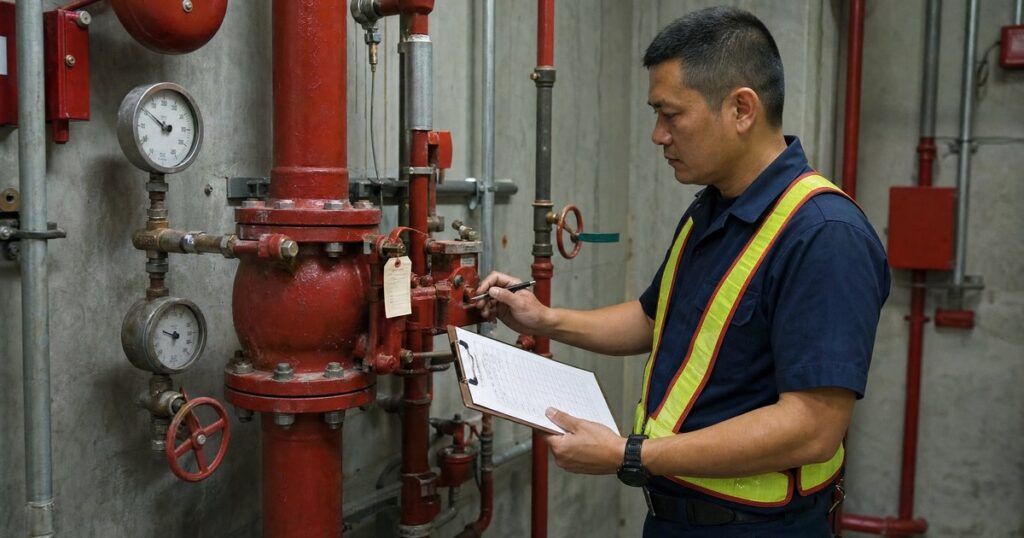
Fire watch requirements catch a lot of Florida property owners off guard. One day, everything is running perfectly well. Next, you are facing a fire marshal order because your alarm system malfunctioned overnight, or a routine inspection turned up code violations. Suddenly, right out of nowhere, you need trained personnel patrolling your building around the clock, and you need them now.
Need a fire watch guard in Florida now?
Certified guards on site in under 3 hours, 24 hours a day.
Call 1-800-899-7524 Get a Fast QuoteFor the unfamiliar, knowing when Florida law actually requires a fire watch and what compliance involves can save you from scrambling at the worst possible moment. It can also save you from the fines, liability exposure, and potential shutdowns that come with getting it wrong.
This guide covers what property managers, contractors, and building owners need to know about Florida fire watch requirements: when it’s legally required, what the Florida Fire Prevention Code actually says, and how to stay compliant without unnecessary expense.
How Florida Regulates Fire Safety
Florida adopts the Florida Fire Prevention Code (FFPC), which is based on NFPA 1, the National Fire Protection Association’s Fire Code. The State Fire Marshal adopts a new edition every three years, with the 8th Edition (2023) currently in effect.
While the State Fire Marshal sets the baseline, local fire officials within each county, municipality, and special fire district actually enforce these codes. Miami-Dade, Broward, Orange County, and other jurisdictions can add their own local amendments that may be stricter than state requirements.
Ultimately, the Authority Having Jurisdiction (AHJ) (typically your local fire marshal) has the final say on what’s required for your specific property.
When Fire Watch Becomes Mandatory in Florida
Under the Florida Fire Prevention Code, fire watch isn’t something you choose to implement on a whim. This is something the fire marshal can order whenever potentially hazardous conditions exist. Here are the situations that trigger Florida fire marshal requirements for fire watch:
Fire Protection System Failures
Your fire alarm goes down unexpectedly, or your sprinkler system needs repairs. Maybe a contractor accidentally damaged a riser during renovation work. Whatever the cause, when a required fire protection system fails, is altered, or isn’t operating as intended, fire watch enters the fold.
The NFPA standards that Florida enforces set specific timeframes here. For fire alarm systems, notification to the AHJ is required if the system is impaired for more than four hours in a 24-hour period. For water-based systems like sprinklers, the threshold extends to 10 hours. Once you cross those lines, the fire marshal determines whether you need to evacuate the building or implement fire watch Florida protocols.
Construction Sites
New construction in Florida presents unique fire watch challenges. Until your fire protection systems are fully installed, tested, and operational, you’re operating without that safety net. NFPA 241 governs construction site fire watch requirements, and Florida contractors ignore these at their peril.
Hot Work Operations
Welding, cutting, grinding, and torch-applied roofing; any operation that generates sparks or open flames requires careful fire-prevention planning. Under NFPA 51B, a hot work fire watch must be maintained during the operation and for at least 60 minutes after completion. The permit authorizing individual (PAI) can extend this to three hours of additional monitoring if conditions warrant it.
Other Triggering Situations
Florida Fire Prevention Code References
When a fire marshal cites you for a violation or orders a fire watch, they’re typically referencing one of these NFPA standards that Florida enforces:
- NFPA 1: The base fire code that Florida adopts
- NFPA 25: Governs inspection, testing, and maintenance of water-based fire protection systems
- NFPA 72: Covers fire alarm and signaling systems
- NFPA 241: Addresses fire safety during construction and demolition
- NFPA 51B: The hot work standard for welding, cutting, and similar operations
These standards carry the full weight of the FL fire watch law once the state adopts them.
Impairment Procedures: Who to Notify and When
When your fire protection system goes down, Florida fire code fire watch requirements kick in through a structured impairment procedure.
Notification Requirements
You need to notify:
- The local fire department or AHJ
- Your fire alarm monitoring company
- Building occupants in affected areas
- Your insurance carrier (especially for planned impairments)
For preplanned maintenance, give advance notice. For emergency impairments, such as a burst pipe, equipment malfunction, or storm damage, notification should occur immediately.
Timeframes That Matter
Fire alarm systems: If impaired for more than 4 hours in a 24-hour period, the AHJ must be notified.
Water-based systems: The threshold extends to 10 hours, but many Florida AHJs interpret “immediately” quite literally for sprinkler outages in high-occupancy buildings.
When Fire Watch Must Begin
Palm Beach County’s guidelines offer useful clarity: fire watch should begin when a system is in trouble or supervisory mode for more than four hours, or whenever the fire marshal orders it. Your local AHJ makes the final call.

Documentation Requirements
If you face a fire marshal inspection during or after a fire watch, documentation will make or break you. Here’s what a proper fire watch log sheet should capture:
Required Log Entries
- Date and exact time of each patrol
- Name of the fire watch guard on duty
- Specific areas or routes patrolled
- Observations made during the patrol
- Any hazards identified and actions taken
Patrol Frequency
Palm Beach County Fire Rescue specifies patrol intervals that many Florida jurisdictions follow: every 15 minutes for residential and assembly occupancies, every 30 minutes for all other occupancy types.
Record Retention
Keep your fire watch logs for at least three years. These records prove compliance and are essential for defending against liability claims.
Florida-Specific Considerations
Florida isn’t just another state in matters of fire watch. Several factors make our situation unique:
Hurricane Season Challenges
From June through November, Florida property managers face a dual threat: storms can damage fire protection systems while simultaneously knocking out power. When electricity fails, fire alarms go dark, fire pumps stop running, and your building becomes significantly more vulnerable.
Alarm battery backups typically support only 24 hours of operation. Extended power outages during major hurricanes can drain these completely, leaving you without working fire detection even after power returns. Post-storm, have a qualified professional inspect all systems before assuming they’re operational, and implement fire watch until that verification is complete.
After a hurricane, the risks actually increase. Damaged electrical systems can spark fires, gas leaks become more common, and debris creates additional fuel for any fire that starts. Fire watch during the recovery period isn’t just about compliance; it’s about protecting your property when it’s most vulnerable.
High-Rise Condos
Miami fire watch requirements reflect the reality that South Florida has more high-rise residential buildings than almost anywhere else in the country. These structures present unique challenges: vertical evacuation takes longer, fire department access is more complex, and a single impaired system can affect hundreds of residents.
The Florida Building Code has specific retrofit requirements for high-rise buildings, including enhanced fire department communications systems. If your high-rise condo association is dealing with system upgrades, budget for fire watch coverage during the transition period.
Theme Parks and Large Venues
Orlando’s theme parks and convention centers have some of the most complex fire protection requirements in the state. Orlando fire watch situations often involve specialized event fire watch protocols for temporary structures, pyrotechnics, and crowds that can exceed 50,000 people in a single venue.
Hospitality Industry
Florida’s hotels and resorts operate under intense scrutiny from both fire marshals and insurance carriers. A fire watch situation at a major resort doesn’t just affect one property; it can impact thousands of guests and generate enormous liability exposure. Many hospitality properties maintain relationships with fire watch providers specifically for emergency deployment.
Coastal Construction
Salt air accelerates corrosion of fire protection components. Coastal properties in Fort Lauderdale fire watch territory and throughout Florida’s 1,350 miles of coastline need more aggressive maintenance schedules and should expect more frequent system issues requiring fire watch.
Penalties for Non-Compliance
Florida doesn’t mess around with fire code violations:
Administrative Fines
Under Florida Statute 633, the State Fire Marshal can impose fines up to $1,000 per violation, with a maximum of $10,000 in any single proceeding. Local jurisdictions may add their own penalties.
Operational Shutdowns
Fire marshals can order evacuation or shut down operations when fire protection is inadequate, and no acceptable fire watch is in place.
Insurance Implications
Your commercial insurance policy almost certainly requires fire code compliance. Failure to implement the required fire watch means your claim could be denied after an incident.
Liability Exposure
If a fire occurs when a fire watch should have been implemented but wasn’t, the liability exposure is enormous. Personal injury attorneys will have a field day with evidence showing you knew your fire protection was impaired.

Local Variations Across Florida
Florida’s home rule tradition means significant variation exists across jurisdictions. Regarding Tampa fire watch services, requirements may differ depending on your location. Jacksonville fire watch regulations, for instance, have their own local nuances.
Either way, before assuming you understand the rules, it might be wise to contact your local fire prevention bureau. Ask about notification procedures, required patrol frequencies, documentation standards, and any local amendments to the state fire code.
A few minutes clarifying requirements upfront can save you from costly violations later.
Hiring Fire Watch in Florida
When you need a fire watch, professional services almost always make more sense than assigning existing staff. Here’s what to look for:
Florida-Specific Knowledge
Your provider should understand the Florida Fire Prevention Code, know which NFPA standards apply, and have experience working with Florida fire marshals.
Statewide Coverage and 24/7 Availability
Especially during hurricane season, you need a provider who can deploy quickly, regardless of where in Florida your property is located, and who answers the phone at 2 AM.
Proper Documentation
Professional fire watch companies provide standardized log sheets and train their guards on what to document.
Wondering about the general fire watch costs? Rates vary based on duration, location, and urgency. Emergency same-day service during a major weather event will cost more than scheduled coverage for planned maintenance.
Taking Action
Fire watch isn’t optional when Florida law requires it. Whether you’re a property manager dealing with an aging fire alarm system, a contractor managing a construction project, or a building owner who just received a fire marshal order, understanding your obligations is essential.
The Florida fire watch requirements outlined here represent baseline expectations. Your specific situation (including property type, local jurisdiction, nature of the impairment, for example) will determine exactly what’s required.
When in doubt, contact your local fire marshal’s office. Document everything. And if you need professional fire watch services, choose a provider who understands Florida’s unique requirements.
Ready to discuss your fire watch needs? Contact Fast Fire Watch Guards for a consultation on Florida fire watch requirements specific to your property.
Fire Watch Coverage Across Florida
The Fast Fire Watch Company provides nationwide fire watch coverage, including every major Florida market from the Panhandle to the Keys. Call 1-800-899-7524 anytime; our certified guards are on site in under 3 hours, 24/7. Explore our fire watch services or visit our official company homepage.